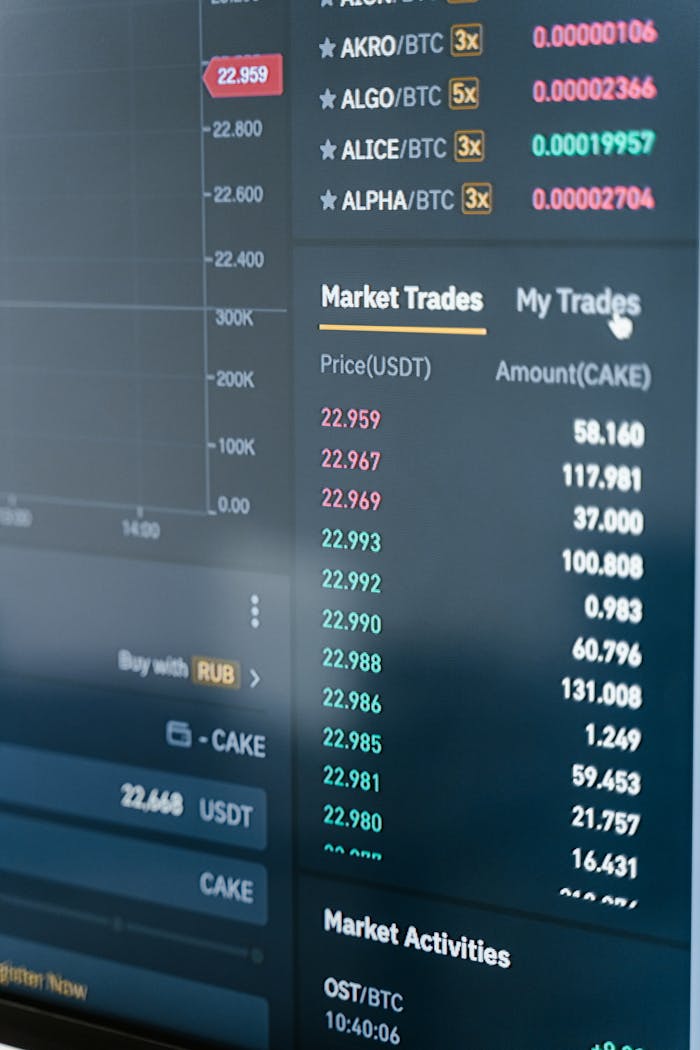
Liquidity in trading refers to how easily an asset can be bought or sold in the market without significantly affecting its price. In simple terms, a market is considered highly liquid when there are many buyers and sellers actively trading, making transactions smooth and fast. Assets like major forex pairs, large-cap stocks, and popular cryptocurrencies often have high liquidity because they are traded in large volumes daily.
Liquidity is important because it directly affects how efficiently trades are executed. In a highly liquid market, traders can enter and exit positions quickly with minimal price slippage, meaning the execution price is usually very close to the intended price. On the other hand, low-liquidity markets may experience larger price swings, wider spreads, and delayed execution, which can increase trading costs and risks.
For example, if a trader wants to buy a major forex pair like EUR/USD, the high liquidity usually allows the order to be filled almost instantly at a stable price. However, trading a low-volume asset may result in the order being filled at a worse price due to fewer market participants. Understanding liquidity helps traders choose better markets, manage risk, and improve trade execution.